Everyday Essentials
How to Wash Bedding: Water Temps, Frequency and Care
Sheets wash weekly on warm, duvet covers monthly, pillows twice a year. Here is the full bedding washing schedule by item, the temperatures that actually disinfect, and what ruins fibers.
By the Snug Casa editors · ·
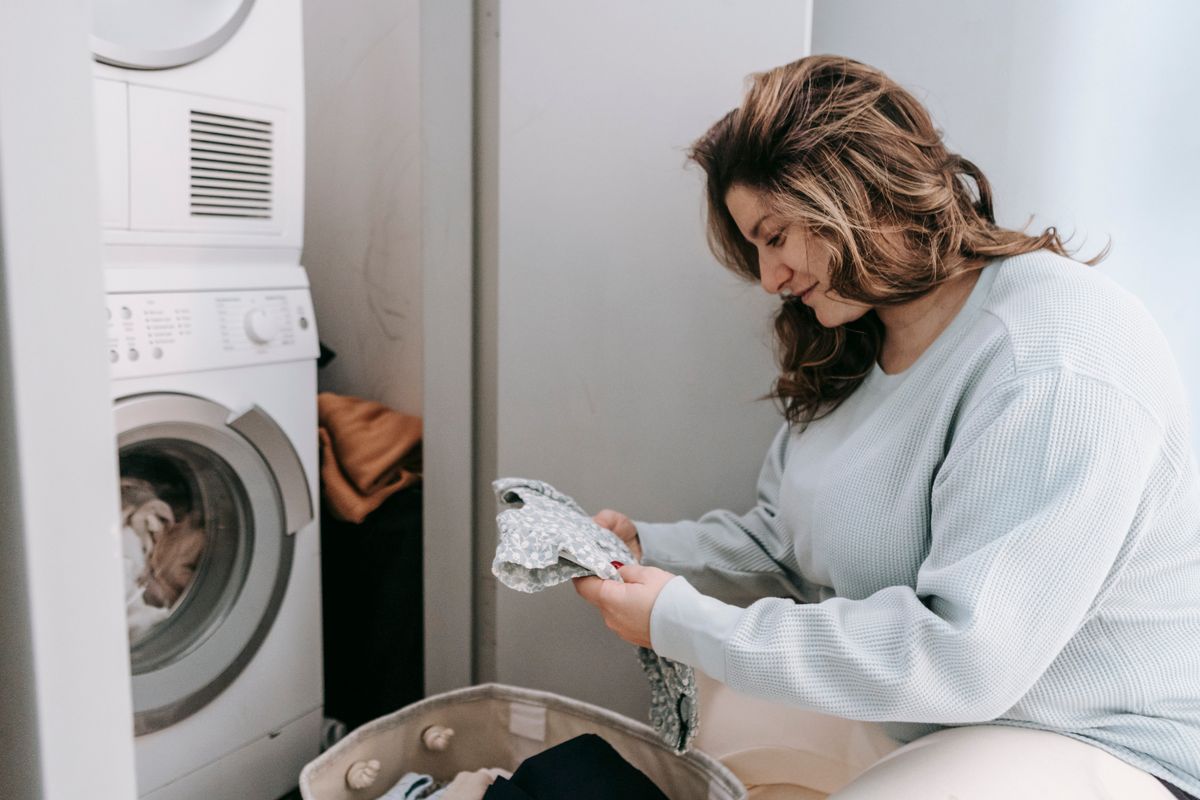
The bedding washing system is three frequencies: sheets weekly, duvet covers and mattress protectors monthly, duvet inserts and pillows twice a year. Water temperature follows the item, not habit — warm for routine loads, hot only when disinfection is the goal, cold for linen. The rhythm matters more than any single wash: consistency is what keeps dust mites, oils and odor from accumulating.
The schedule by item
| Item | Frequency | Water | Notes |
|---|---|---|---|
| Sheets and pillowcases | Weekly | Warm | Hot (130°F+) if allergies are active |
| Duvet cover | Monthly | Warm | Zip closed before washing |
| Mattress protector | Every 1–2 months | Warm | Follow label; vinyl backs hate heat |
| Duvet insert | 2x per year | Per label | Down: front-loader only |
| Pillows (fiberfill) | 2x per year | Warm | Two pillows per load to balance |
| Blankets and throws | 1–2x per season | Cold | Per fiber label |
Sheets: weekly, warm, no softener
Wash sheets separately from clothes so they agitate freely and come out cleaner. Warm water handles body oils well; switch to hot when someone is sick or allergies flare. Skip fabric softener on every bedding item — the coating reduces absorbency and breathability and builds up as the waxy residue that makes old sheets feel stiff. A monthly vinegar rinse strips that buildup. Dry on low or medium, and pull sheets slightly damp if you iron or fold them crisp.
Linen is the exception: cold water, gentle cycle, low tumble or line dry. It wrinkles by design and softens with every wash — fighting the wrinkles with heat shortens the fiber. Our linen versus cotton comparison explains why linen rewards this lighter touch.
Duvet covers and protectors: monthly
The duvet cover takes the same skin-oil load as a flat sheet but usually gets ignored in the weekly rhythm — add it to the monthly rotation. Zip or button it closed first so straps and snaps do not tear in the drum. Wash mattress protectors monthly too; they are the item actually blocking sweat from reaching the mattress, and they saturate faster than anything else on the bed.
Duvet inserts and pillows: twice a year, with care
Down duvets need a large-capacity front-loading washer — a top-loader’s center agitator can tear baffles. Low heat, dry thoroughly, and add wool dryer balls to break up clumps; a down duvet that goes away even slightly damp grows mold inside the filling. Fiberfill pillows machine-wash fine, two at a time for balance; memory foam and latex never go in a machine — spot clean and air dry. Whether the pillows themselves are past saving is a separate question: our pillow replacement guide covers the fold test and lifespan by fill.
Drying and storage
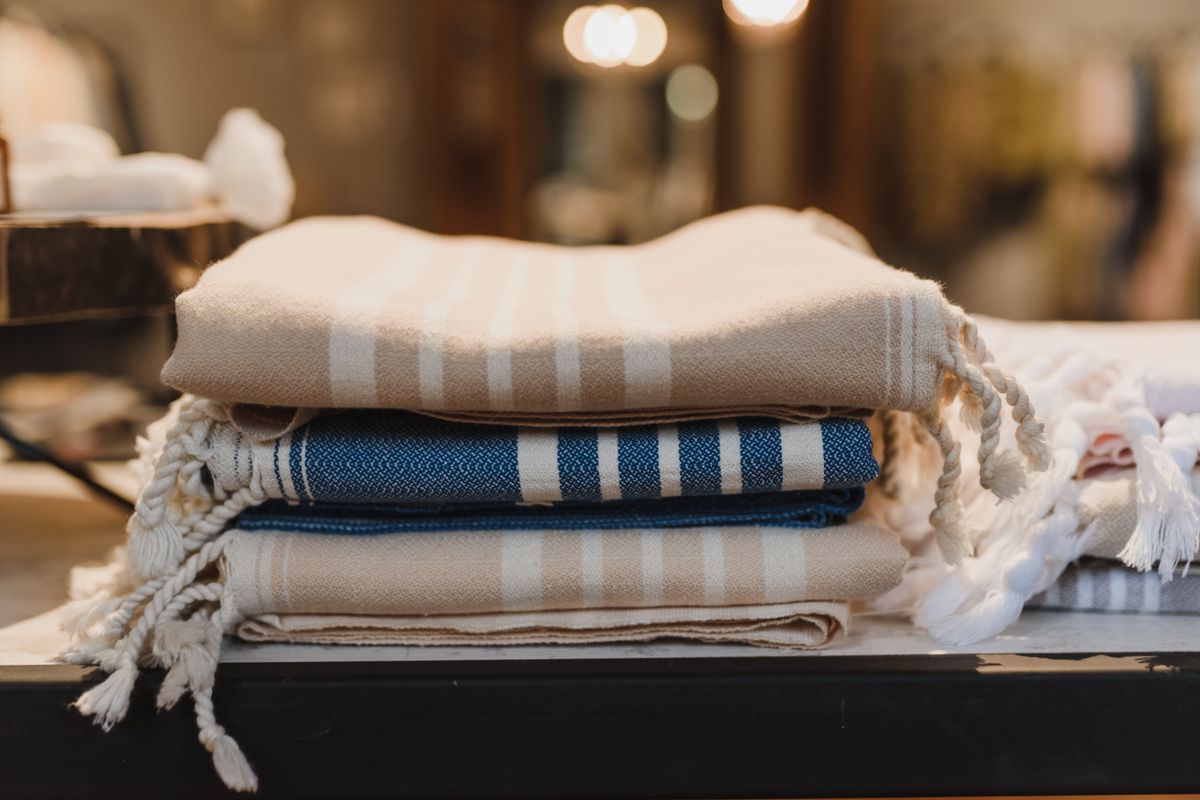
Line drying is the gentlest option and leaves cotton crisper; sunlight adds a mild sanitizing effect. If you use a dryer, low heat is the universal setting that protects elastic, fibers and waterproof backings alike. Store clean, fully dry bedding in a breathable cotton bag or on a closet shelf — never sealed plastic, which traps residual moisture. Folded sets stored inside their own pillowcase, the method from our linen closet organization guide, keep spare sets grab-and-go.
FAQ
How often should you wash your sheets? +
Once a week is the standard for regularly used beds, because sheets collect body oils, sweat and skin cells that feed dust mites. Every two weeks is a defensible compromise if you shower before bed and sleep alone. A bed used nightly should not go longer than two weeks between washes.
What temperature kills dust mites in bedding? +
Washing at 130°F (54°C) or hotter kills dust mites and their eggs, which is why hot water is recommended for allergy sufferers. For routine washing, warm water with good detergent hygiene is sufficient — the weekly rhythm matters more than the temperature. Check care labels first, since some fibers like wool and silk cannot take heat at all.
Can you put bedding in the dryer? +
Most cotton sheets and duvet covers can be tumble dried on low or medium — check the care label first. High heat is what shortens fiber life and causes shrinkage, especially for linen and percale. Line drying is gentler and leaves sheets noticeably crisper, though it takes hours longer.