Bedding
Linen vs Cotton Sheets: Which One Belongs on Your Bed
Linen breathes and lasts decades but feels textured and costs more. Cotton feels smooth from night one and costs less. Here is how to choose between them.
By the Snug Casa editors · ·
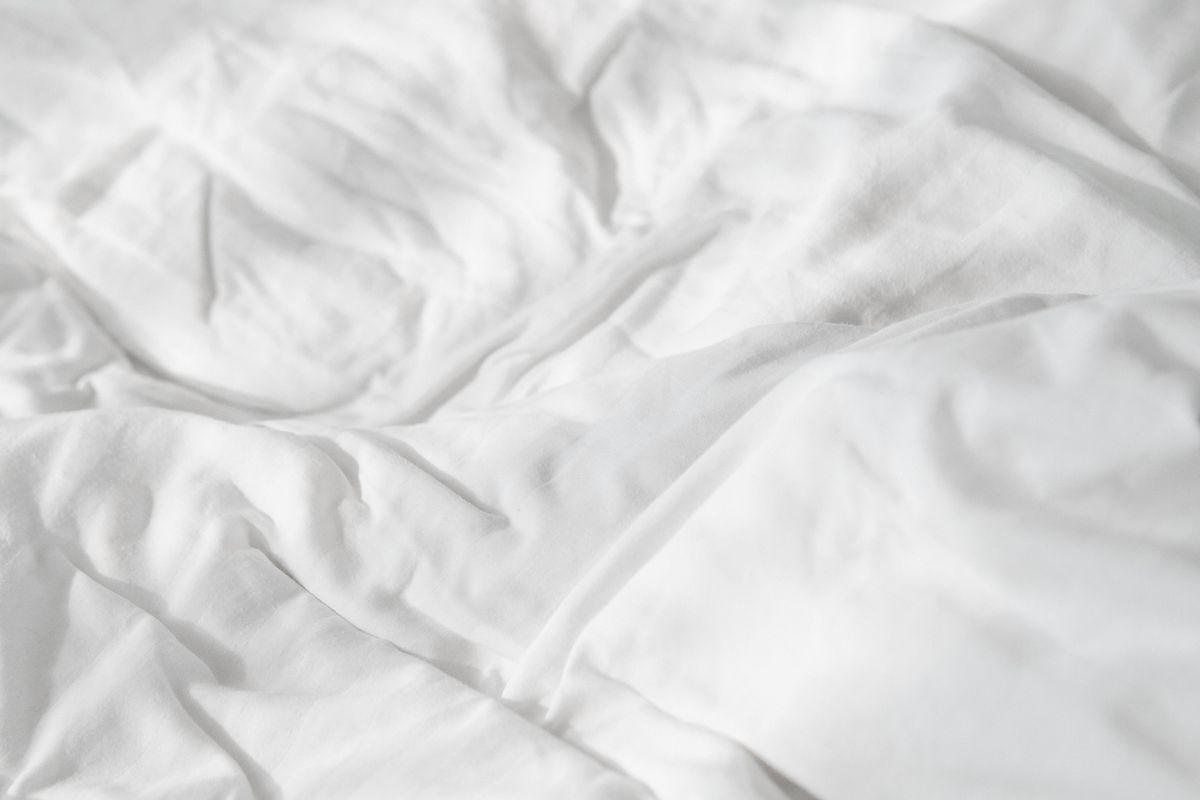
For hot sleepers and long-term value, linen wins. For a smooth feel at a lower price, cotton wins. Neither fabric is objectively better — the right pick depends on how you sleep, how much laundry patience you have, and what you want to spend up front.
This guide compares the two on the factors that actually change night-to-night experience: feel, temperature, durability, care, and cost. If you have already settled on cotton, our percale sheet picks cover the crisp-weave end of that market.
Feel and breathability
Cotton sheets feel smooth immediately. Percale has a cool, matte crispness; sateen has a silkier drape. Linen starts crisp and slightly textured, with a visible slub in the weave, and softens over roughly a year of washing. Some people read that texture as rustic comfort; others just want it gone by week two.
On temperature, linen has a structural advantage. Flax fibers are hollow and can absorb around 20 percent of their weight in moisture before feeling wet, so linen handles night sweats and humid bedrooms better. It also dries faster after washing. Cotton breathes well in percale form but holds moisture longer, which is why heavy cotton feels clammy in August while linen does not.
Durability and lifespan
This is where linen earns its price. Flax fibers are longer and stronger than cotton fibers, and linen sheets commonly last 10 years or more with regular use. Mid-range cotton sets often show thinning, pilling, or seam wear within two to four years. A linen set that costs twice as much can outlast three cotton sets, which narrows the real cost gap considerably.
Care and maintenance
Both fabrics are machine washable, but they behave differently in the laundry. The table below sums up the routine differences:
| Factor | Linen | Cotton |
|---|---|---|
| Water temperature | Cold or warm | Cold or warm |
| Drying | Tumble low or line dry; wrinkles | Tumble low; fewer wrinkles |
| Wrinkles | Heavy, part of the look | Moderate, especially percale |
| Break-in period | 3–5 washes to soften | Soft from the first wash |
| Shrinkage | Small if dried low | Small if dried low |
Neither fabric wants fabric softener or high heat — softener coats the fibers and reduces absorbency, and heat is what shortens fiber life. Our bedding washing guide covers the full routine for both.
Season fit
Linen suits hot sleepers and humid climates year-round, and its insulating hollow fibers keep it from feeling cold in winter. Cotton splits by weave: percale for summer, sateen for people who run cold. If your bedroom swings between seasons, linen is the more forgiving single set; if you already rotate bedding, cotton gives you a sharper seasonal match. For the full system, see how to layer a bed.
Price reality
Entry-level linen sets start around $100 and quality European flax sets run $200 to $350. Good cotton percale starts near $60 to $80. If budget is the deciding factor, cotton is the rational choice — a cheap linen set made from shorter flax fibers will not deliver the durability that justifies the category. Buy linen for longevity and humid-climate comfort, or buy cotton for feel and price. Read the weave, not the thread count, when comparing cotton options.
FAQ
Do linen sheets soften over time? +
Yes. Washed linen loses its initial crispness after roughly three to five washes and keeps softening for the first year of use. It never reaches the slick smoothness of sateen cotton, but many people prefer its relaxed, slightly textured feel.
Are linen sheets worth double the price of cotton? +
Not automatically. Linen can last several times longer than mid-range cotton, which narrows the cost-per-year gap. But if you prefer a smooth, cool-to-the-touch surface, a good percale cotton set delivers that for far less money.
Which is better for night sweats, linen or cotton? +
Both breathe well, but linen absorbs more moisture before feeling damp and dries faster, which makes it the stronger choice for hot sleepers. Lightweight percale cotton is a close second at a lower price.