Bedding
Memory Foam, Down or Latex: Matching a Topper to What Your Mattress Gets Wrong
A dense memory foam topper for firm mattresses, a down-alternative layer for softness, and latex for bounce — which one fixes which problem.
By Ruth Alder · ·
Match the topper to the complaint
A topper is a patch for a specific complaint, not a renovation for a dead mattress. Start with the complaint itself. A surface that presses too hard at the shoulders and hips calls for dense conforming foam. A bed that already sleeps hot wants latex, which moves air instead of trapping body heat. And a bed that feels flat and hard all over wants down’s loose, draping loft. Buy the topper that names your problem — everything else is a coin flip.
What the listing tells you before you buy
Thickness is the number sellers lead with, and it is the least informative one on the page. Under two inches, a topper is a pad: it softens the sheet feel and does little else. Two to three inches is enough to change how a firm mattress loads the shoulders. Four inches suits heavier sleepers or anyone rebuilding the feel of a worn pillow-top, and past that the topper starts acting like a soft mattress with all the support problems of one.
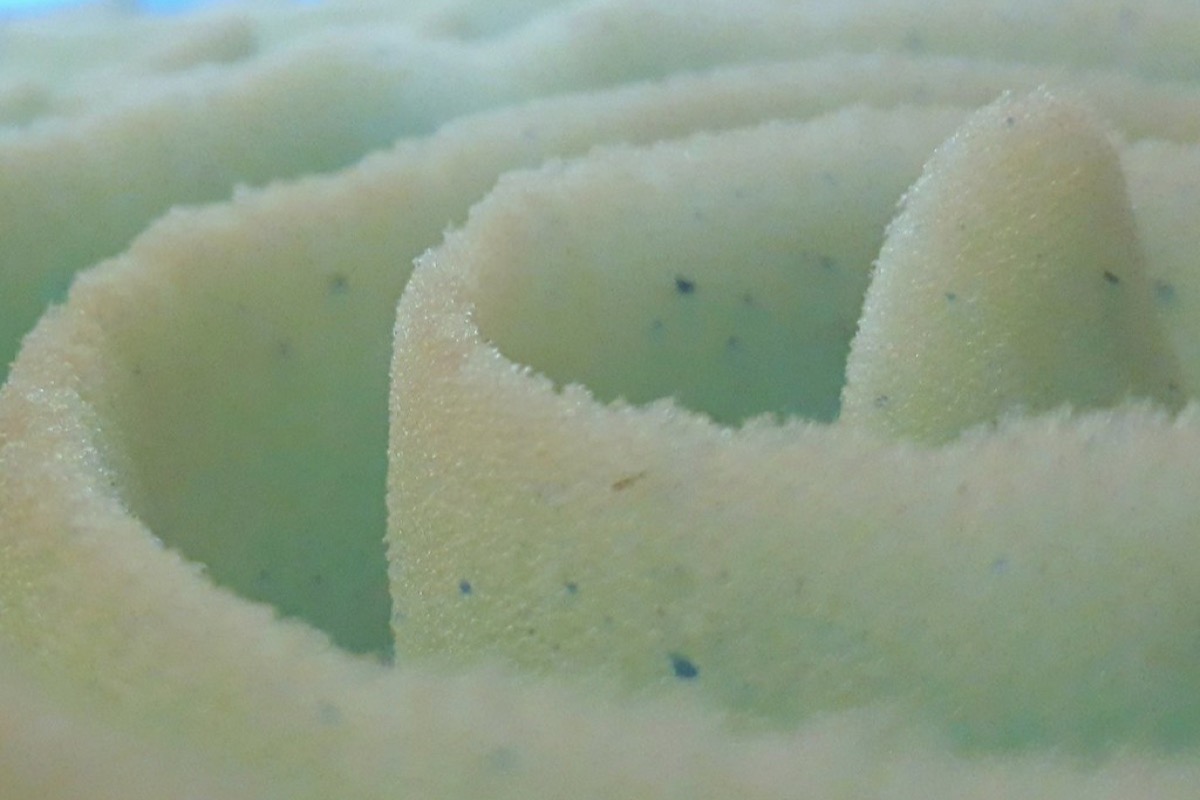
The number that actually separates good foam from bad is density, measured in pounds per cubic foot. Three to five is the normal band for memory foam toppers; the high end holds its shape longer before body impressions set in. Listings that omit density are usually selling the low end of it. Firmness sometimes appears as ILD (indentation load deflection), where lower numbers mean the foam gives under lighter load — a topper in the low teens feels pillowy almost immediately, while one in the twenties pushes back under the ribs.
The rest of the label is convenience, not performance. A zip-off washable cover matters more than it sounds, because a cover collects what the foam underneath can never be washed out of. Anchor straps earn their keep on smooth mattress ticking, where an unrestrained slab migrates toward the foot of the bed within a week. Foam certifications such as CertiPUR-US indicate the foam was checked for content and emissions — a floor-level assurance, not a quality grade.
Body weight shifts these numbers. A sleeper over 200 pounds compresses a low-density topper through its whole thickness and lands on the mattress beneath, which is why heavier buyers get told to shop density rather than thickness; under 130 pounds, even a modest two-inch layer feels substantial. Weight charts in topper reviews are rough guides, but the direction is consistent.
Viscosoft Select High-Density Topper — best for pressure relief
Viscosoft Select High-Density Topper is the memory foam pick for mattresses that feel too firm under shoulders and hips. Its dense foam layer lets those points sink a little while holding lighter regions up — exactly the pressure map a firm mattress gets wrong. The bamboo-derived cover unzips and washes, and anchor straps keep the slab from sliding toward the floor. Two honest caveats. Memory foam sleeps warmer than the material it covers; if heat is already your complaint, look at the latex pick instead. And a dense foam slab is genuinely heavy — flipping and fitting it alone is a two-person errand. Once on the bed and under a fitted sheet, though, it stays put for months at a time.
Parachute Down Mattress Topper — best plush layer
Parachute Down Mattress Topper fixes the opposite problem: a bed that’s technically fine but joyless. Down fill adds that hotel-pillow loft on top, taking the edge off firm springs without the sink of foam. It’s the topper equivalent of a duvet: airy and draping, forgiving in a way foam never is, and it shakes back to shape after a season compressed in storage.
It’s also the least structural pick here. Down compresses under full body weight, so it softens the surface rather than correcting alignment; think of it as comfort padding, not support. Care runs gentler than foam — professional cleaning keeps the fill lofted, and our bedding washing guide explains why a home dryer can clump it permanently.
PlushBeds Natural Latex Topper — best for bounce and heat
PlushBeds Natural Latex Topper is the pick for hot sleepers and anyone who dislikes foam’s slow hug. Latex pushes back instantly, so changing positions takes no effort, and its open-cell structure runs cooler than memory foam by design. Natural latex is also the durability pick — quality slabs routinely outlast the mattresses they sit on.
The costs are real: latex is the priciest material per inch here, it’s heavy in the same way dense foam is, and some people dislike its springy feel the same way others dislike foam’s sinking. If you’ve never slept on latex, a trial period is worth prioritizing — see our mattress firmness guide for how surface feel maps to sleep position before you commit.
How each material behaves in the room
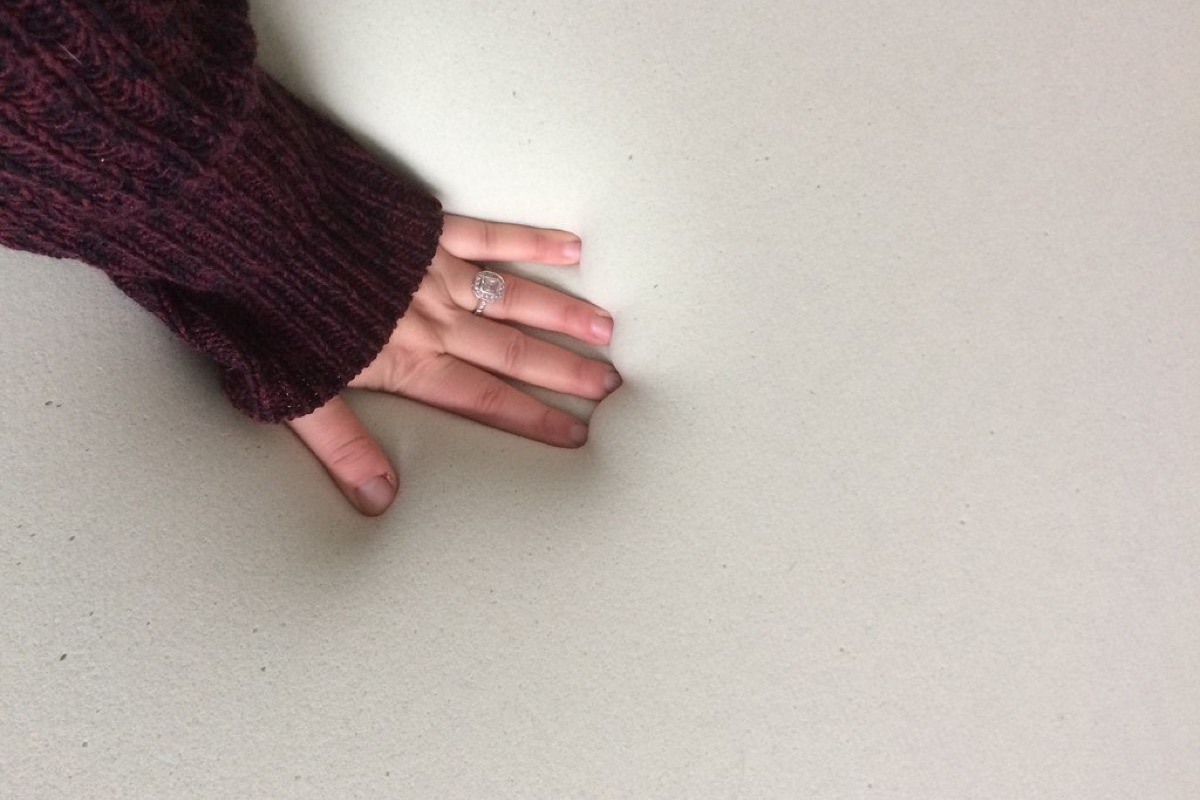
Memory foam is heat-activated. It softens where your body warms it and holds that shape, which is why it spreads shoulder and hip load so well — and why it can feel like it grips you when you roll over. The same trait explains the heat complaints: a slow-recovering layer sits close to the skin and moves little air.
Latex has the opposite temper. It pushes back the moment weight comes off, so repositioning takes no effort, and the aeration holes in most latex slabs give body heat somewhere to go. Processing changes the feel: Dunlop latex runs denser and reads more supportive, while Talalay latex is airier and more even from top to bottom. Both outlast polyurethane foam by years.
Down and down-alternative fills are about loft, not support. They fluff, drape, and compress, which is why they suit beds that need softening rather than correcting. Fill migrates and needs a shake now and then; a down topper nobody fluffs slowly works itself into a flat pad.
Down alternative deserves a separate line from down, because the labels blur them. The synthetic fill costs less, suits dust-mite allergies, and survives a home wash that would clump real down. It gives up loft per gram, so it takes more fill to reach the same pillow-soft height, and it flattens faster under nightly weight.
Weight deserves planning with either foam. A three-inch dense slab across a queen bed weighs what a full dresser drawer weighs, and it has to come off the bed whenever the mattress or the cover needs washing. Two people move it easily. One person wrestles it, and the mattress loses.
Where each topper stops working
| Topper | Material | Fixes | Doesn’t fix |
|---|---|---|---|
| Viscosoft Select High-Density | Memory foam | Firm-surface pressure points | Heat retention |
| Parachute Down | Down fill | Hard, joyless surfaces | Alignment problems |
| PlushBeds Natural Latex | Natural latex | Heat, slow-foam dislike | Nothing on a truly worn mattress |
One boundary worth stating: no topper rescues a mattress with deep body impressions or sagging edges. When the foam inside is done, a three-inch slab on top inherits the valleys underneath. Toppers postpone replacement by a few years; they don’t cancel it.
Edge support goes first, too. A topper sits inside the frame with no rails of its own, so sitting on the side of the bed rolls you toward the floor as the slab compresses sideways. Sleepers who sit on the edge nightly should weigh that fact.
The failure modes worth planning for
Body impressions come first. Foam compresses fastest where the most weight sleeps, so the hip zone develops a shallow set within the first months. Rotating the topper 180 degrees every month or two spreads that wear; flipping end for end is all a topper allows, since the underside is not finished for skin contact.
Sliding is the second failure. On a smooth mattress cover, a foam slab walks toward the foot of the bed a little more each night until anchor straps or a fitted sheet with real grip stops it. Heat is the third complaint, and it is built into the material: any foam layer adds insulation between you and the mattress surface. A breathable cover moderates it; nothing cancels it.
Care mistakes shorten topper lives faster than use does. Drying a cover on hot can shrink it out of zipper range, and folding a foam slab in half for a season in a cold garage can leave a crease that never relaxes. New foam also ships with a faint chemical smell; a day or two airing in a ventilated room clears it.
Watch the cover, not just the foam. A cover that zips on three sides comes off without a fight; one that zips on a single long side turns every wash into a wrestling match with a slab that does not want to bend. That is a two-minute check in a store and an impossible one online, which is where owner feedback earns its keep.
Making the bed changes with a topper too. Deep-pocket fitted sheets designed for a thick mattress handle the added height; standard pockets pop off the corners every night. Tucking the sheet under the whole mattress, topper and all, holds a slab in place almost as well as straps do.
When the topper is the wrong purchase
The worst time to buy one is mid-trial. Most online mattresses come with a home trial measured in months, and a topper added in week three changes the exact feel the trial is meant to judge. If the bed is new enough to return, complain first and spend nothing.
Budget math can point the same direction. When the right topper costs half of what a replacement mattress on sale does, the topper is delaying the real purchase rather than avoiding it. Our mattress shopping checklist covers that decision from the mattress side. Renters can weigh one more variable: a topper that stays behind with the bed is a gift to the next tenant.
One comparison worth making before checkout: if the complaint is surface feel alone and the mattress is otherwise healthy, an inexpensive thick pad may hold you over for a season while you decide properly. Guessing wrong on a topper is cheap. Guessing wrong twice is not.
Layer recap
Specs first, owners second. Check the layer you are about to buy against the layers above and below it — most bad reviews are mismatches, not bad products.
- Foundation
- Slat spacing and center support decide whether the mattress above keeps its shape. Read the foundation guide
- Support
- Firmness is a 1–10 scale, not a feeling — read it by weight and sleep position. Read the support guide
- Comfort
- A topper fixes one specific problem. Anything over 2 in only changes surface feel. Read the comfort guide
- Warmth
- Fill power means nothing without fill weight beside it. Read the warmth guide
- Surface
- Weave, staple length and GSM — then read the wash count, not the thread count. Read the surface guide
- Finish
- Loft has to match sleep position, and it has to come back overnight. Read the finish guide
Bed Layers, Decoded puts all six layers on one page — the numbers worth checking, the marketing traps, and how to read owner feedback before you order.
Top picks
We may earn a commission when you buy through links in this section — your price stays the same.
Best for pressure relief
Viscosoft Select High-Density Topper
Dense memory foam that lets shoulders and hips sink a little while holding the rest of the body level.
- Material:
- Memory foam
- Cover:
- Zip-off, washable
- Fit:
- Anchor straps
Best plush layer
Parachute Down Mattress Topper
Down loft that turns a hard mattress into a hotel bed — comfort padding rather than structural support.
- Material:
- Down fill
- Cover:
- Cotton shell
- Fit:
- Baffle-box design
Best for hot sleepers
PlushBeds Natural Latex Topper
Natural latex with instant push-back and open-cell cooling — the durable, breathable alternative to memory foam.
- Material:
- Natural latex
- Feel:
- Responsive, bouncy
- Durability:
- Outlasts typical foam
Comparison
| Specification | Viscosoft Select High-Density Topper | Parachute Down Mattress Topper | PlushBeds Natural Latex Topper |
|---|---|---|---|
| Material | Memory foam | Down | Natural latex |
| Feel | Conforming, slow | Airy, plush | Responsive, bouncy |
| Temperature | Runs warm | Neutral | Runs cool |
| Care | Washable cover | Professional clean | Spot clean |
| Best for | Pressure points | Plushness | Heat & longevity |