Everyday Essentials
How to Wash a Wool Blanket Without Shrinking It
Shrinkage is heat and agitation, not water. The cold-wash routine that keeps wool blankets their original size, what to do about pilling, and the storage that beats moths.
By Ruth Alder · ·
A wool blanket that came out of the wash the size of a crib blanket was not ruined by the water. Heat and agitation did it, and both are optional. Wool is an animal protein covered in microscopic scales; cared for on the fiber’s terms it outlives the bed, washed like cotton and it locks into felt for good. Nearly every rule of wool care follows from that one reaction.
Felting is mechanical, and it is final
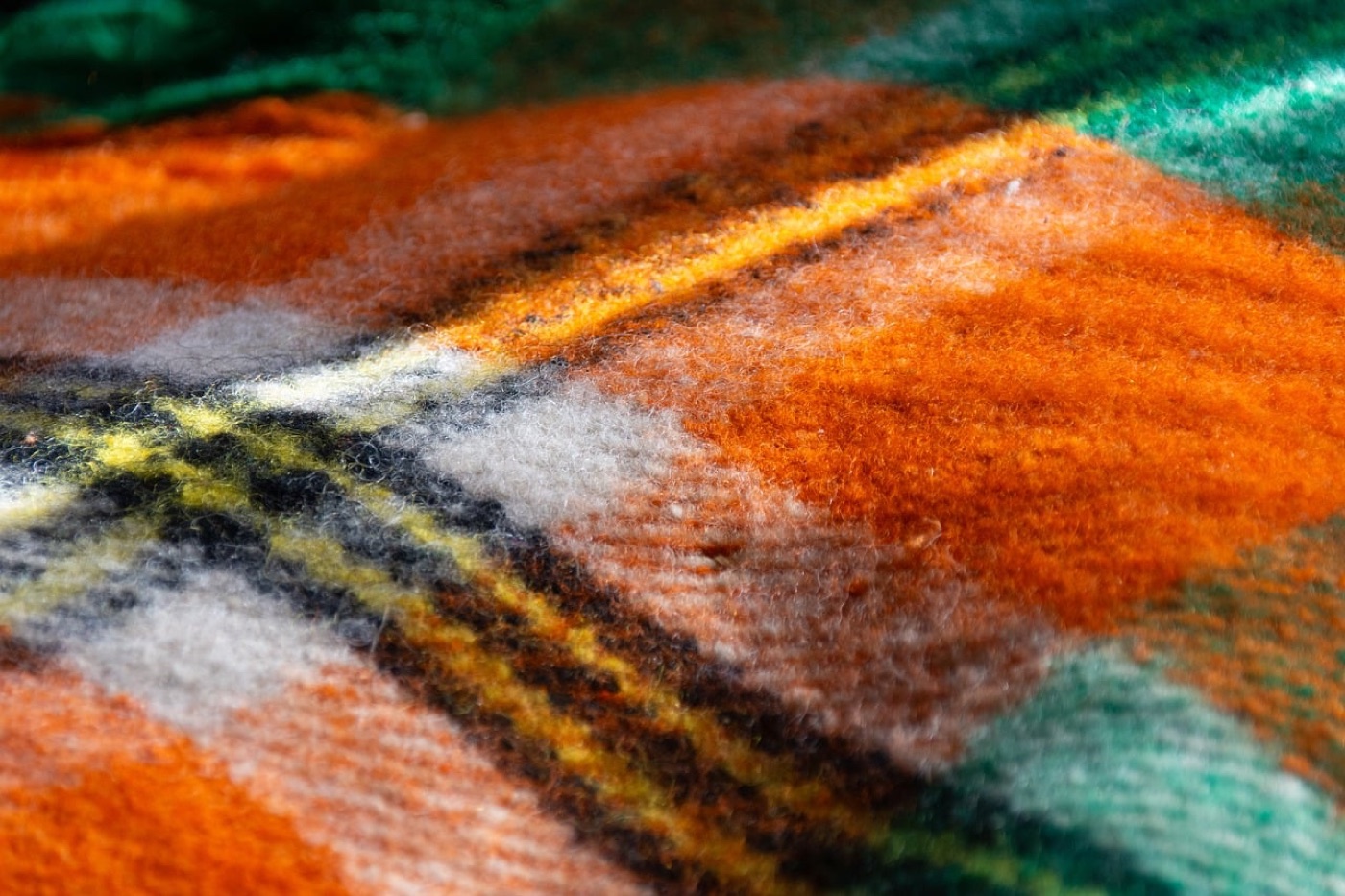
Under a microscope, a wool fiber is covered in overlapping scales, like shingles. Heat softens the protein. Agitation then knocks the scales against each other, and every collision ratchets them tighter until the fabric draws in on itself — smaller, stiffer, and permanent. Hot water alone starts the process, and machine agitation finishes it.
Felting is not fading or stretching. It is a physical interlocking of fibers, and no washing method reverses it, which is why prevention is the entire game. A blanket that already survived one hot cycle with the jeans is already felted; the task from that point is stopping further damage, not undoing it.
Read the label before choosing a method
The care tag sorts blankets into two groups. A blanket labeled machine washable wool or superwash has been treated to resist felting and tolerates a gentle cold cycle with a slow spin. Untreated wool — most traditional and handwoven blankets — wants hand washing. If the tag is missing or unreadable, treat the blanket as untreated. A careful hand wash costs an hour; guessing wrong costs the blanket. And if the tag says dry clean only, believe it: the blanket’s construction, not just its fiber, may not survive a soak.
Spot cleaning beats a full wash
Most stains do not justify washing the whole blanket. Blot with cold water immediately, then work a drop of wool detergent into the spot with your fingers and rinse cold. Hot water sets protein stains, and scrubbing felts the spot into a stiff patch, so the motion is always pressing rather than rubbing. For oily marks, a drop of dish soap cuts grease better than wool detergent. A stain that survives two careful attempts is a job for a cleaner who works with wool — the cleaner’s bill is smaller than a replacement.
The washing routine
- Check the label first. Treated wool tolerates a gentle cold machine cycle. Untreated wool gets washed by hand.
- Hand wash in cold water, in a tub or large basin, with a pH-neutral wool detergent. Regular detergent is too alkaline and strips the lanolin that gives wool its softness and water resistance. Submerge the blanket, press the water through gently for a few minutes, and soak 15 to 20 minutes.
- Rinse cold, twice, pressing water out between rinses. A tablespoon of hair conditioner in the first rinse relaxes the fibers the same way it relaxes hair, and it carries no felting risk.
- Spin, do not wring. A short low-speed machine spin — 600 rpm or less — is safe and saves hours of drying. By hand, press the blanket against the tub wall. Twisting wet wool is exactly the agitation the fiber resents, even without heat.
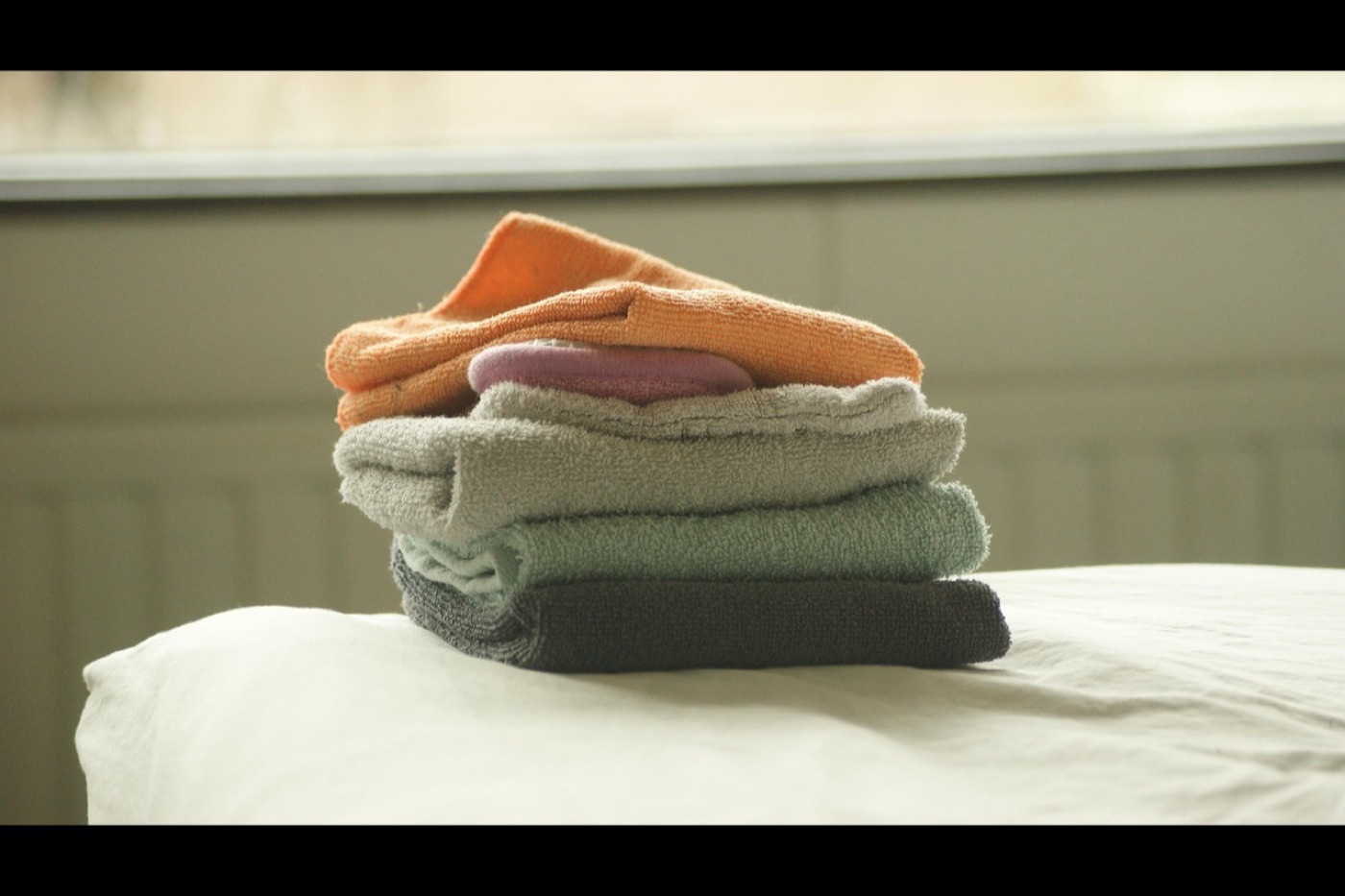
- Dry flat. Roll the blanket in dry towels, walk on the roll to press water out, then lay it on a drying rack and reshape it while damp.
Compared to the standard bedding wash cycle, wool asks for less than its reputation suggests: one real wash a season, ten minutes of attention each time, and cold water throughout.
Drying is where blankets are lost
Hanging wet wool stretches it under its own weight, and stretched wool does not spring back. Flat drying is the whole trick: a drying rack, or two chairs with the blanket spread across them, reshaped once while damp to square the edges. Expect 24 to 48 hours in a heated room, and turn the blanket once so the underside dries at the same speed as the top. Keep it out of direct sun for the same reason airing happens in shade — the fiber wants steady room-temperature air. Rushing this stage is the other common way a blanket changes shape for good.
Between washes: airing beats washing
Wool is self-cleaning in a way cotton is not. It resists odor, sheds moisture, and resets almost completely after a day outdoors in shade. Between washes, a soft garment brush lifts dust off the surface, and that plus an occasional airing is the entire maintenance routine for most of the year. The fiber’s own moisture-shedding does part of the work, which is why wool tolerates neglect better than cotton ever will.
Pilling: surface wear, not failure
Pilling — the fuzzy balls that collect where the blanket meets friction, across knees, against the sofa arm — comes off with a fabric shaver or a pilling comb worked gently in one direction. It keeps returning wherever the blanket rubs, because it comes from the yarn’s shorter fibers working loose at the surface. That is surface wear, not fabric failure, and a blanket that pills in one spot is telling you where it lives. Shaving the surface is cosmetic; the fabric under the pills is intact.
Storage that actually stops moths
Moth larvae eat keratin, which is what wool is, and a stored blanket is their perfect pantry. Cedar and lavender repel weakly at best — a hint, not a wall. The defenses that work, in order: wash before storage, because larvae follow body oils; seal the clean blanket in a cotton bag or a tight-seamed bin; store it in a lived-in room rather than an attic, where temperature swings stress the fiber anyway. The same shelf logic as seasonal bedding storage applies — interior closet and a breathable bag, with one mid-season check.
A blanket that finds moths anyway gets 72 hours in a freezer bag, which kills larvae at all stages, then a full wash before it returns to the shelf. Moth damage shows as holes with clean edges and a dust of fiber behind them, and finding it early is the reason the mid-season check exists.
Wool holds warmth through the same trapped-air structure described in the duvet warmth guide. Three wash dates a year, flat drying, and a sealed shelf in autumn are the entire price of keeping that structure intact — and a blanket cared for this way outlives the bed it lives on.
Layer recap
Specs first, owners second. Check the layer you are about to buy against the layers above and below it — most bad reviews are mismatches, not bad products.
- Foundation
- Slat spacing and center support decide whether the mattress above keeps its shape. Read the foundation guide
- Support
- Firmness is a 1–10 scale, not a feeling — read it by weight and sleep position. Read the support guide
- Comfort
- A topper fixes one specific problem. Anything over 2 in only changes surface feel. Read the comfort guide
- Warmth
- Fill power means nothing without fill weight beside it. Read the warmth guide
- Surface
- Weave, staple length and GSM — then read the wash count, not the thread count. Read the surface guide
- Finish
- Loft has to match sleep position, and it has to come back overnight. Read the finish guide
Bed Layers, Decoded puts all six layers on one page — the numbers worth checking, the marketing traps, and how to read owner feedback before you order.
FAQ
Can a wool blanket go in the dryer? +
No. Dryer heat plus tumbling is the exact combination that felts wool — the fibers lock together and the blanket comes out smaller, stiffer, and permanently changed. Even a low-heat tumble risks it. After washing, roll the blanket in a dry towel to press out water, then dry it flat over a rack or two chairs, reshaping once while damp. Air drying takes 24 to 48 hours and that is the normal speed.
How do you soften a scratchy wool blanket? +
Wash it with a pH-neutral wool detergent, then add a tablespoon of hair conditioner to the rinse water and let it soak for ten minutes before the final rinse. The conditioner relaxes the fibers the same way it does hair. Softening is modest, not transformational — wool's character is part wool — but it takes the edge off without risking the felt.
How do you get stains out of wool? +
Blot with cold water immediately, then work a drop of wool detergent into the spot with your fingers and rinse cold. Never hot water, never a scrubbing motion — heat sets protein stains and friction felts the spot into a stiff patch. For anything oily, a drop of dish soap cuts grease better than detergent. A stain that survives two attempts is a job for a cleaner who works with wool.