Bedroom Furniture
Dresser vs Wardrobe: Which One Does Your Bedroom Actually Need
Hanging space versus drawer volume, room footprint, and cost — the storage math that decides between a dresser and a wardrobe.
By the Snug Casa editors · ·
The short answer
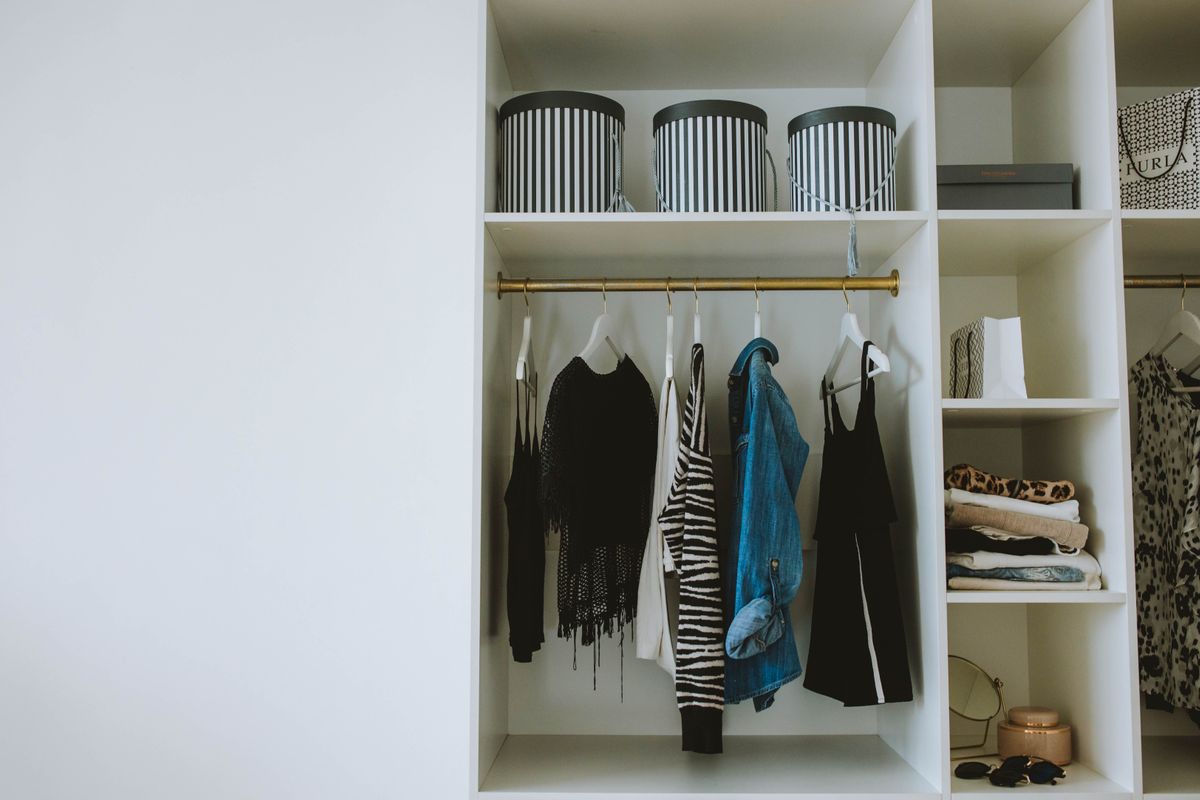
Dressers and wardrobes solve different problems: a dresser is dense folded storage on a wide, low footprint, while a wardrobe is hanging space on a tall, narrow one. The decision comes down to what your clothes actually are — knits and jeans fold well, anything tailored or linen needs a hanger — and how much wall you can spare.
The storage math
Count what you own by type, not by piece of furniture:
- Hanging items — dresses, coats, blazers, dress shirts, anything wrinkle-prone — need a rod. One linear foot of rod holds roughly 8–10 garments on standard hangers.
- Folded items — sweaters, jeans, t-shirts, underwear — live in drawers. A typical 36-inch-wide, five-drawer dresser swallows a surprising amount: roughly 20–25 folded t-shirts per drawer depending on depth.
A wardrobe with a 36-inch hanging section plus one shelf column replaces about two dressers’ worth of mixed storage, which is why it dominates small bedrooms with no closet at all.
Footprint: wide-and-low versus tall-and-narrow
A standard dresser runs 50–65 inches wide and about 18–20 inches deep, eating a long stretch of wall at furniture height. A wardrobe runs 24–40 inches wide but 60–72 inches tall, trading wall length for vertical presence.
| Factor | Dresser | Wardrobe |
|---|---|---|
| Wall space needed | Wide, low wall | Narrow, tall wall |
| Best storage type | Folded knits, jeans, linens | Tailored clothes, coats, dresses |
| Visual weight | Low, keeps sightlines open | Tall, becomes a focal point |
| Typical cost | Lower for the same capacity | Higher (doors, rails, hardware) |
| Under-window placement | Often fits | Almost never fits |
That last row matters in small rooms — see our small bedroom layout guide for the clearance numbers furniture needs around it.
Which one your bedroom is asking for
You already have a decent closet. Get the dresser. Your closet is the wardrobe; the dresser covers folded items and frees closet rod space for what actually needs hanging.
You have no closet, or a shallow one. Get the wardrobe — it’s not optional storage, it’s the closet. Choose one with at least 36 inches of hanging rail and a shelf column for folded items, then add only a small two-drawer unit if needed.
You have both needs and one wall. A low wardrobe with drawers beneath the hanging rail (“chifforobe” style) splits the difference, or pair a narrow dresser with a slim open rack.
The room is under 100 square feet. Lean vertical — a tall narrow wardrobe keeps more floor visible than a long dresser does, and visible floor is what makes small rooms feel livable.
Cost and practical differences
Wardrobes cost more per unit of storage because you’re paying for doors, rails, and a tall frame. They’re also the heavier move — an assembled wardrobe often can’t make stairs, which is why many ship flat and take an hour or two to build. Dressers move easily, survive second-hand markets well, and their drawer slides are the only part that ever needs real repair.
One honest warning for both: measure door swings and walkways before ordering either. A wardrobe door that opens across the bed’s walkway gets disabled with a chair within a week — a waste of its main advantage. Our nightstand buying guide has the same “measure the daily path first” logic for smaller furniture.
FAQ
Can you use a dresser and a wardrobe together in a small bedroom? +
Yes, and it is often the right call. A slim wardrobe on the wall nearest the door handles hanging items while a low dresser sits under a window where a tall piece would block light. Keep the combined footprint under about a third of the room's wall length so walkways survive.
Which holds more clothes, a dresser or a wardrobe? +
It depends on the clothes. A five-drawer dresser holds roughly 80 to 120 folded items, while a 36-inch hanging wardrobe holds about 60 to 80 garments on the rod plus folded goods on shelves. Knits and jeans favor the dresser; anything tailored, wrinkle-prone or long favors the wardrobe.
Are wardrobes good for rooms without closets? +
They are the standard fix. A freestanding wardrobe with a 36-inch hanging section plus shelf columns replaces most of what a built-in closet provides, which is why it dominates small bedrooms with no closet at all. Anchor tall wardrobes to the wall for safety, especially in earthquake-prone areas.
Keep reading
Bedroom Furniture
Best Platform Bed Frames: Wood, Metal, and Upholstered Picks
September 25, 2026
Bedroom Furniture
How to Choose Mattress Firmness: A Guide by Sleep Position and Weight
September 23, 2026
Bedroom Furniture
Bed Size Dimensions Explained: Twin, Full, Queen, and King
September 19, 2026