Organization
Bedroom Declutter Checklist: 15 Minutes per Zone
Declutter a bedroom in six zones of 15 minutes each: surfaces, dresser, closet, under-bed, nightstand, and textiles. Here is the checklist, the keep-or-let-go rules, and what to do with the pile.
By the Snug Casa editors · ·
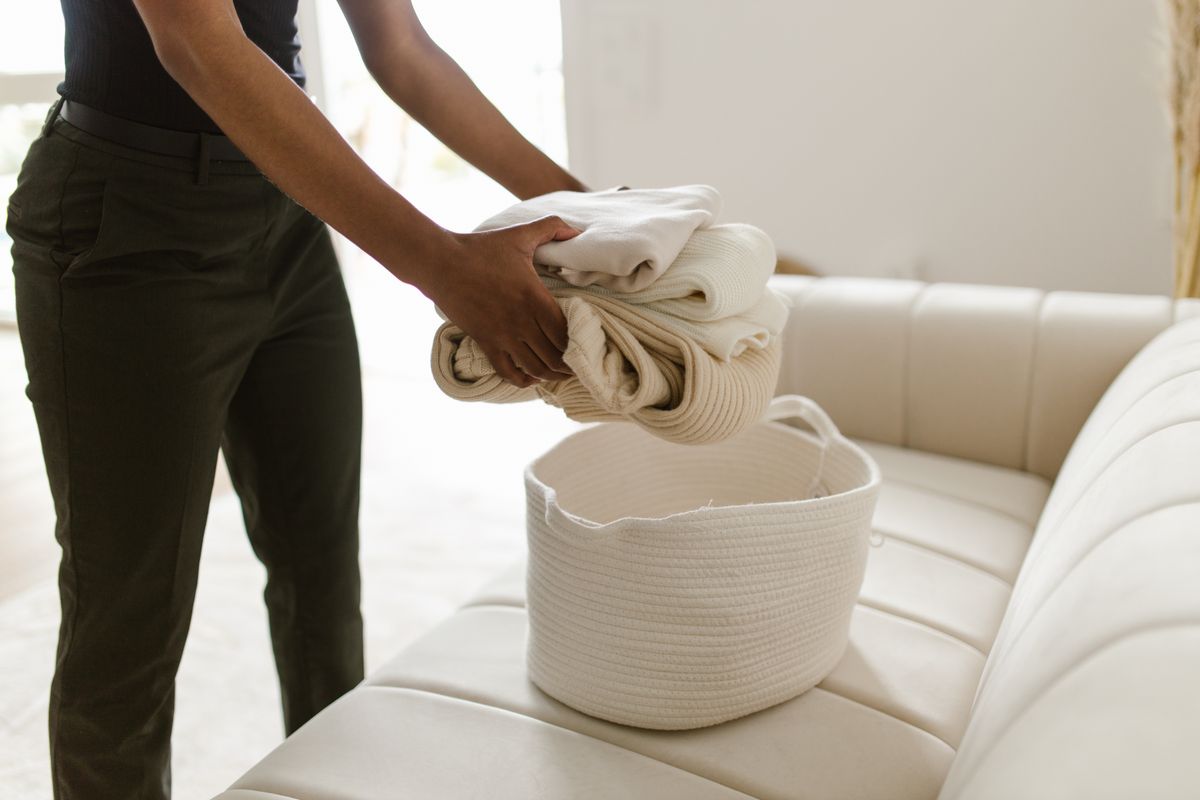
A bedroom declutters cleanly in six zones of 15 minutes each — surfaces, dresser, closet, under the bed, nightstand, and textiles. The timer is the method: 15 minutes is short enough to finish a zone and stop, which is what prevents the open-every-drawer spiral that stalls most attempts. Work the zones in order, because clear surfaces create the momentum the closet requires.
Zone 1: surfaces (15 minutes)
Clear the dresser top, windowsill and any bench. Everything on a surface either has a real home elsewhere or earns a spot there. The test is simple: a lamp, a plant and one framed photo are decoration and stay; mail, chargers, loose change and a stack of unread books go to their homes or to the out-pile. Flat surfaces accumulate by default — give each one a maximum of three objects.
Zone 2: the dresser (15 minutes)
One drawer at a time, out onto the bed. Fold nothing yet: first split every drawer into keep, out, and elsewhere. The working test: used in the last year, still in wearable condition. Clothes waiting for repairs that have not happened are an out-pile by default. Anything worn-out becomes a rag or textile recycling, not a drawer. Refold only the keepers — our linen closet organization guide has the file-fold method that keeps drawers scannable.
Zone 3: the closet (15 minutes)
Hang everything facing backward on the rod. Over the next six months, whatever you wear gets rehung the normal way; at the next pass, backward-facing hangers are your unworn list. For this session, just do the floor and shelf: shoes without a pair, boxes without contents, dry-cleaner bags — out. A full closet rebuild belongs to our small closet organization system; this pass only clears the obvious.
Zone 4: under the bed (15 minutes)
Everything comes out. Dust it, then decide: only two categories return — storage containers that seal, and items you use weekly. Luggage, old paperwork and random cables move to real storage or leave. If the under-bed zone is genuinely useful to you, keep it functional with the right containers; our under-bed storage picks list low-profile options that slide one-handed.
Zone 5: the nightstand (15 minutes)
Empty the drawer and the top. Keep: current book, charger, hand cream. Everything else — old prescriptions, dead pens, three lip balms — goes to its home or the out-pile. The nightstand is the highest-touch surface in the room; it should hold five things, not fifty.
Zone 6: textiles (15 minutes)
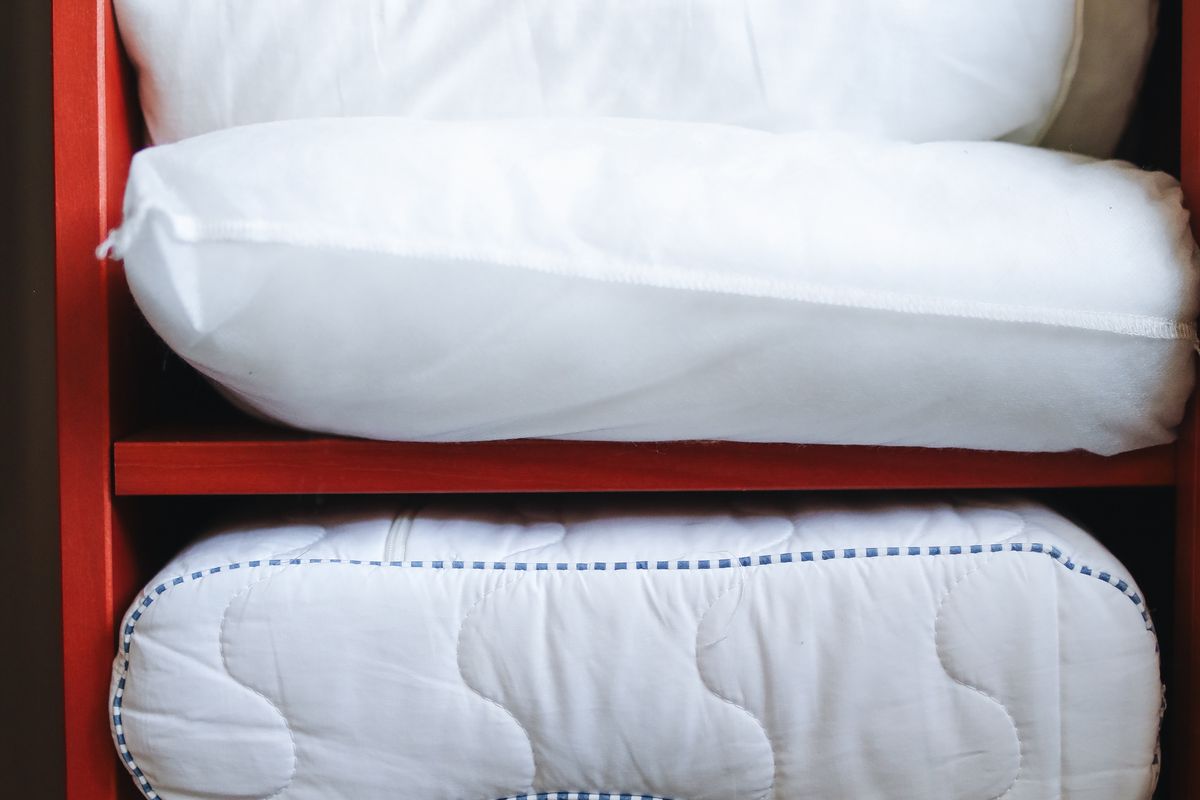
Strip anything that has not been rotated in months: extra throw pillows nobody uses, blankets with pilling, curtains in the donation bag from two moves ago. Wash what stays on a schedule — our bedding washing guide covers the routine — and let the count shrink. Bedrooms hold calmer with fewer textile layers, a point our guide to layering a bed balances against comfort.
Making the pile leave
Three bags: donate, sell, trash. Donate and trash leave the apartment the same day — trunk or doorstep, not a closet corner. Selling is the trap: list items within 48 hours or convert them to donate. The declutter is not finished when the room is clean; it is finished when the bags are gone.
FAQ
How long does it take to declutter a bedroom? +
Roughly 90 minutes total when run as six zones of 15 minutes each. Doing one zone per day spreads it across a week with the same result. The timer matters more than the pace — 15-minute boxes prevent the open-every-drawer spiral that stalls most attempts.
What is the fastest way to decide what to keep? +
Use the working test: have you used it in the last year, and does it work today. Broken items with promised repairs and clothes saved for a future body are the two biggest categories of dead weight in a bedroom. When truly torn, ask whether you would buy the item again today at full price.
Where should donated items go so they actually leave? +
Into the car trunk or by the front door the same day, not into a closet corner. Items that stay in the house have a way of migrating back into drawers. Schedule the drop-off before you start decluttering so the exit route already exists.